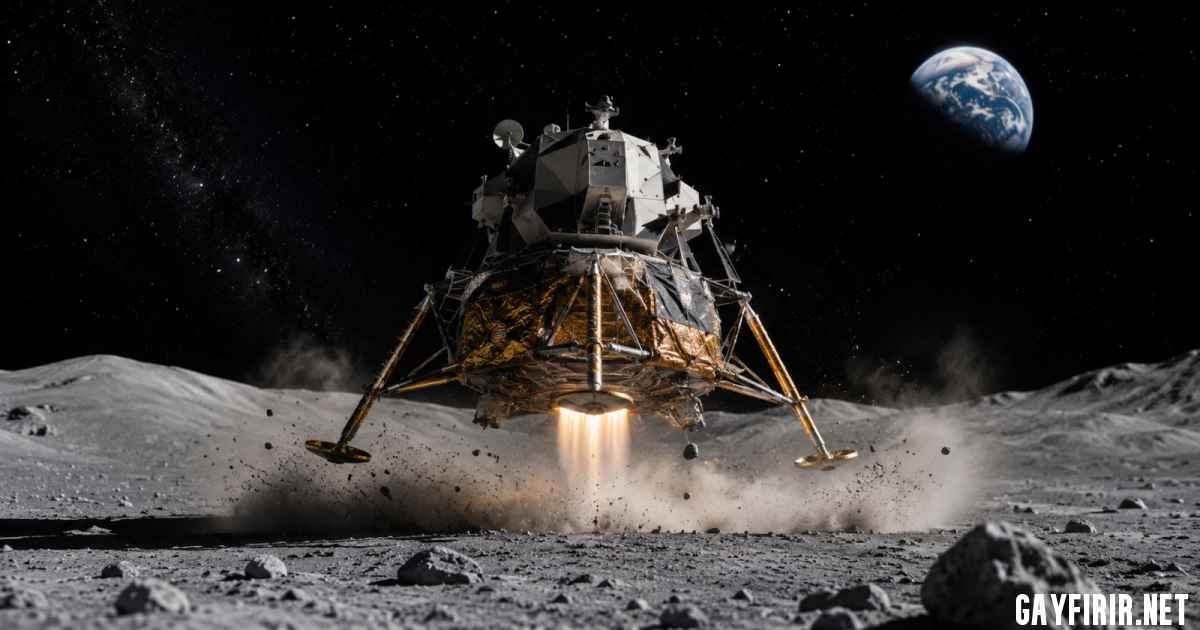
Landung Artemis 2 is one of the most historic milestones in space exploration in 2026. More than 53 years after the final Apollo mission ended in 1972, humanity has finally returned to the Moon’s vicinity through NASA’s Artemis II mission. Although the spacecraft did not land on the lunar surface, it successfully completed a crewed lunar flyby before safely returning to Earth with a dramatic splashdown in the Pacific Ocean.
If you’re searching for Landung Artemis 2, including when the splashdown happened, where it landed, who the astronauts were, how the re-entry process worked, and why this mission is so important, this complete guide covers everything you need to know.
What Is Artemis II? NASA’s First Crewed Mission Back to the Moon
Artemis II is the first crewed mission in NASA’s Artemis program following the successful uncrewed Artemis I mission in 2022. Unlike Apollo 11, which landed astronauts on the Moon, Artemis II is designed to test NASA’s new Space Launch System (SLS) rocket and Orion spacecraft with astronauts onboard before future lunar landing missions.
The spacecraft follows a free-return trajectory, flying around the Moon before naturally using the Moon’s gravity to return safely to Earth. This flight path reduces fuel consumption while proving that Orion can safely carry humans into deep space and back.
The success of Artemis II is a critical step toward Artemis III, currently planned for 2027 or 2028, when astronauts are expected to land on the Moon once again. Beyond that, the Artemis program supports NASA’s long-term vision of building the Lunar Gateway, establishing a permanent lunar base, and preparing humanity for future missions to Mars.
When and Where Did Landung Artemis 2 Take Place?
One of the most searched questions in 2026 is, “When did Landung Artemis 2 happen?”
According to NASA’s official mission timeline:
| Mission Information | Details |
|---|---|
| Launch Date | April 1, 2026 (3:54 AM IST) / April 2, 2026 (WIB) |
| Launch Site | Launch Complex 39B, Kennedy Space Center, Florida |
| Splashdown Date | April 10, 2026, at 8:07 PM EDT (April 11, 2026, 00:07 UTC) |
| Splashdown Location | Pacific Ocean, off the coast of California near San Diego |
| Mission Duration | 10 Days |
| Maximum Distance from Earth | 252,756 miles (approximately 406,000 km) |
The Landung Artemis 2 splashdown was broadcast live on NASA’s official channels and watched by millions worldwide. After traveling back from lunar orbit, Orion entered Earth’s atmosphere at incredible speed before deploying its parachutes and safely splashing down in the Pacific Ocean, where NASA recovery teams retrieved the capsule.
Meet the Four Astronauts of Artemis II
Artemis II carried four astronauts who made history with this groundbreaking mission.
1. Reid Wiseman – Mission Commander (NASA)
Reid Wiseman served as the mission commander. A former U.S. Navy pilot and experienced NASA astronaut, he led the first crewed journey around the Moon since Apollo.
2. Victor Glover – Pilot (NASA)
Victor Glover became the first Black astronaut to travel to the Moon, marking an important milestone in the history of human spaceflight.
3. Christina Koch – Mission Specialist (NASA)
Christina Koch previously set the record for the longest single spaceflight by a woman. Artemis II made her the first woman to travel around the Moon.
4. Jeremy Hansen – Mission Specialist (Canadian Space Agency)
Jeremy Hansen became the first Canadian astronaut to travel to the Moon, representing Canada’s significant contribution to the Artemis program.
On Mission Day 6 (April 6, 2026), the crew witnessed breathtaking views of the Moon’s far side, a perspective seen by only a small number of humans throughout history.
How Did the Landung Artemis 2 Splashdown Work?
The Landung Artemis 2 splashdown was one of the most dangerous phases of the mission.
Leaving Lunar Orbit
After completing its lunar flyby, Orion departed the Moon using a carefully planned trajectory assisted by the Moon’s gravity, beginning its journey back to Earth.
Atmospheric Re-entry
As Orion approached Earth, it entered the atmosphere at speeds exceeding 40,000 km/h (25,000 mph). During this phase, the spacecraft’s advanced heat shield endured temperatures of approximately 2,760°C (5,000°F), protecting the astronauts from the intense heat generated by atmospheric friction.
Parachute Deployment
Once the spacecraft slowed sufficiently, three massive main parachutes deployed in sequence, reducing Orion’s speed for a controlled ocean landing.
Pacific Ocean Splashdown
The capsule successfully splashed down in the Pacific Ocean near San Diego, California. Recovery teams, including the USS San Diego, safely retrieved Orion and its crew. NASA confirmed that the Landung Artemis 2 operation was a complete success, with all four astronauts returning in excellent health.
Why Is Landung Artemis 2 So Important?
The successful Landung Artemis 2 represents much more than a safe return to Earth. It is one of the most significant achievements in modern space exploration.
The mission successfully:
- Paved the way for Artemis III, NASA’s planned crewed lunar landing mission in 2027–2028.
- Demonstrated that the Space Launch System (SLS) and Orion spacecraft are safe for long-duration human missions.
- Advanced plans for the Lunar Gateway and future permanent lunar habitats.
- Strengthened international cooperation between NASA, the Canadian Space Agency (CSA), and global space partners.
- Inspired millions of students, scientists, and future engineers around the world, including many in Indonesia.
NASA has described Artemis II as a “critical test flight” because its success determines the future of human exploration beyond low Earth orbit.
Artemis II vs. Apollo 11 vs. Artemis I
Many people mistakenly believe Artemis II landed on the Moon. Here’s how these historic missions differ.
| Mission | Objective |
|---|---|
| Apollo 11 (1969) | Landed astronauts on the Moon’s surface for the first time. |
| Artemis I (2022) | Uncrewed mission that tested the SLS rocket and Orion spacecraft around the Moon. |
| Artemis II (2026) | Carried four astronauts around the Moon without landing before safely returning to Earth via splashdown. |
| Artemis III (2027/2028) | Planned mission to land astronauts on the Moon, including the first woman and the first person of color. |
In other words, Landung Artemis 2 refers to the spacecraft’s splashdown on Earth, not a landing on the Moon.
Interesting Facts About Landung Artemis 2
Several remarkable facts made Landung Artemis 2 one of the biggest space events of 2026:
- The Artemis program represents an investment exceeding US$20 billion toward future lunar exploration and Moon base development.
- Artemis II astronauts traveled approximately 406,000 kilometers (252,756 miles) from Earth, making it one of the farthest human spaceflights since Apollo.
- A timelapse video of Orion approaching the Moon on April 6, 2026, went viral and attracted millions of views worldwide.
- Following the successful splashdown, NASA shifted its focus toward preparing the hardware and systems required for Artemis III.
- The mission inspired scientists, students, and space enthusiasts across the globe, including growing interest in space exploration within Indonesia.
Conclusion
Landung Artemis 2, completed on April 10, 2026, with a successful splashdown in the Pacific Ocean, marks a historic turning point in human space exploration. Carrying four astronauts aboard the Orion spacecraft, powered by NASA’s Space Launch System (SLS), the 10-day mission demonstrated that humans are once again capable of traveling beyond low Earth orbit and safely returning home.
The success of Landung Artemis 2 lays the foundation for Artemis III, which is expected to return astronauts to the lunar surface in 2027 or 2028. More importantly, the mission brings humanity one step closer to establishing a long-term presence on the Moon and eventually sending astronauts to Mars.
If you’d like to watch the Landung Artemis 2 splashdown video, explore Orion spacecraft photos, or replay the official NASA livestream, visit NASA’s official YouTube channel and the NASA website for the latest updates on the Artemis program.